Planning Trip-Free Entryway Interlocking Before Trick-or-Treaters Arrive
JD Interlocking Inc • October 6, 2026
As autumn leaves start falling and the days grow shorter, the countdown to Halloween begins. JD Interlocking Inc. frequently receives calls from homeowners in Lambeth wanting to ensure their front steps and paths are secure for neighborhood children. Addressing sinking pavers and uneven bricks now prevents dangerous tripping hazards when dozens of trick-or-treaters navigate your property in the dark.
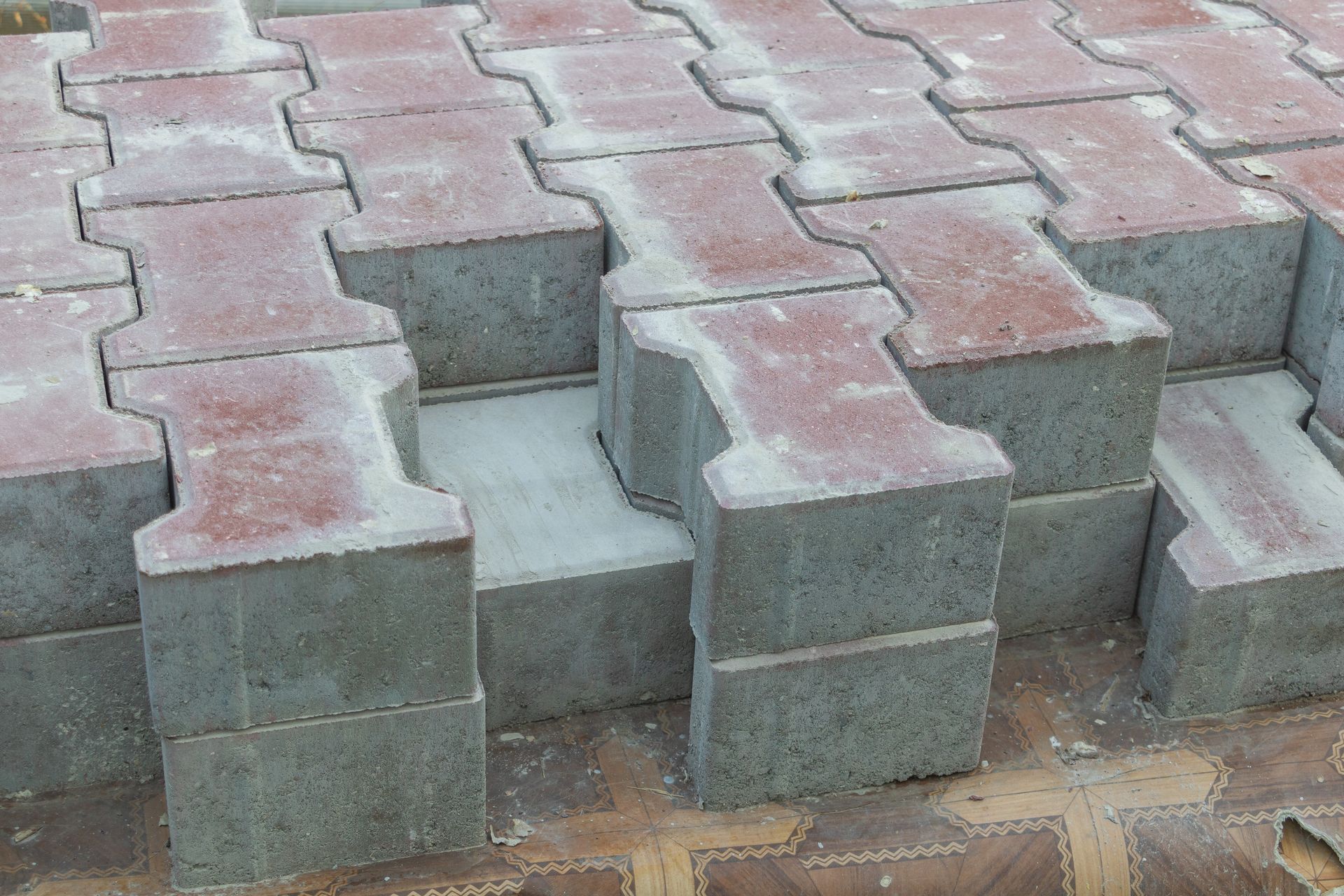
Proper entryway interlocking planning requires more than just picking out nice stones from a catalog. A functional and safe front entrance needs strict structural considerations regarding load bearing, step height, and surface grading. We outline exactly what you need to prepare and ask before signing a contract for a fall hardscaping project. Understanding the mechanics of a reliable installation ensures your new walkway stays perfectly level for decades.
Inside This Guide:
- Key Elements of Entryway Interlocking Planning
- How wide should a front entryway walkway be?
- Red Flags When Evaluating Hardscape Providers
- Essential Questions to Ask Before You Book
Key Elements of Entryway Interlocking Planning
Building a safe path to your front door starts long before the first stone is laid. Homeowners actively preparing for a fall installation need to consider how weather conditions and foot traffic dictate the structural requirements of the project. A solid path relies on precise excavation and mechanical compaction.
- Base Compaction Requirements: Walkways require a minimum of six inches of compacted granular base to prevent the stones from shifting under constant foot traffic.
- Grading for Rain: The surface must slope slightly away from your foundation and steps to shed autumn rain quickly and prevent ice buildup.
- Material Selection: Smooth stones look modern but become highly slippery when wet or covered in frost.
How wide should a front entryway walkway be?
A primary front walkway should be a minimum of forty eight inches wide to allow two people to comfortably walk side by side. When planning for events like Halloween, this width prevents visitors from being forced off the path and onto your muddy lawn. If your path includes a sharp turn, widening the corner slightly helps accommodate groups passing each other in the dark.
→ A quick tip to remember: Adding low voltage lighting directly into the border of your new path is the best way to keep the walkway visible and safe during late autumn evenings.
Red Flags When Evaluating Hardscape Providers
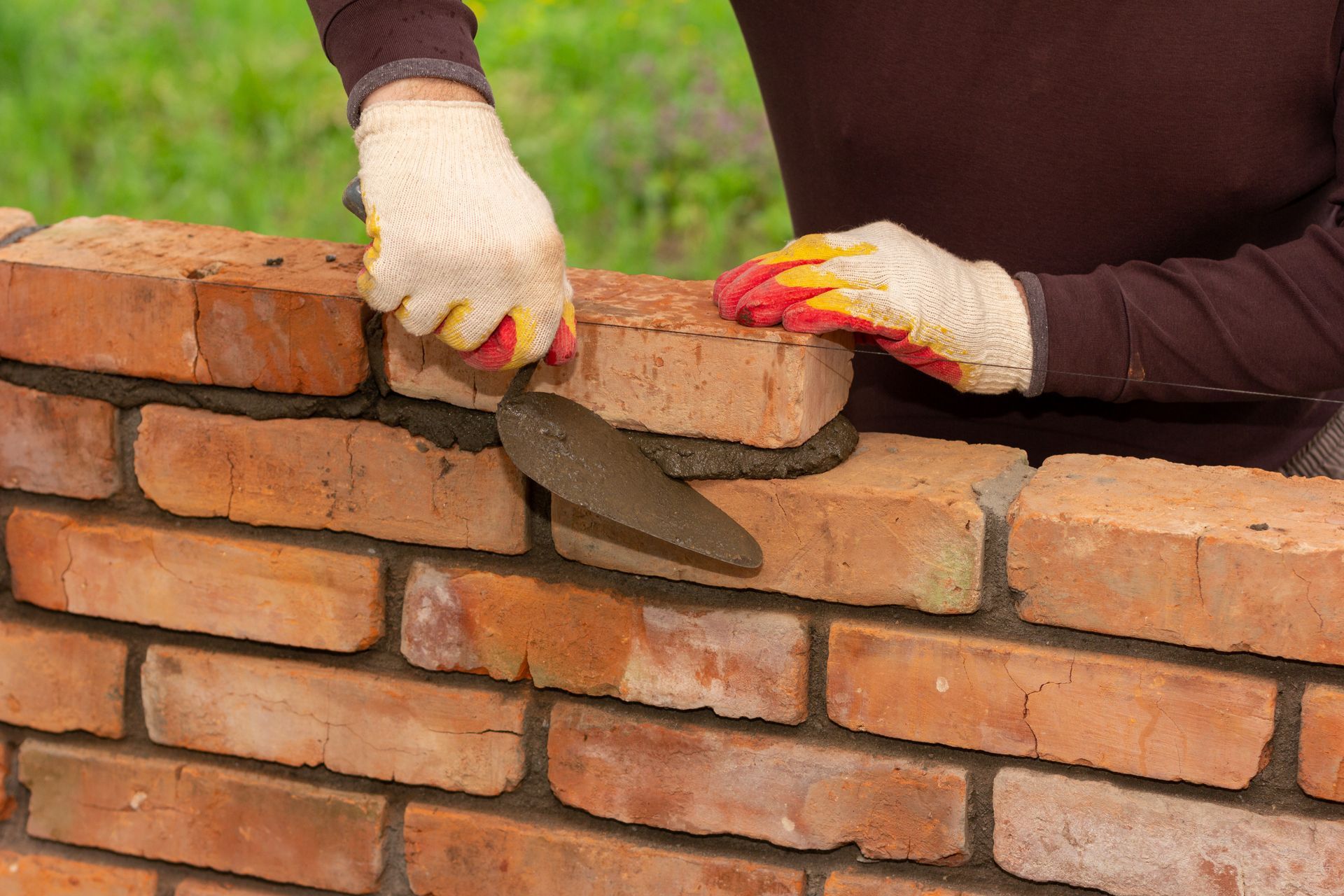
Not all quotes are created equal when it comes to structural brickwork and interlocking installations. Before you book a contractor for your front entrance, you need to look closely at how they plan to build the foundation. Cutting corners on a front path always leads to uneven surfaces by spring.
- Vague Base Descriptions: Avoid contractors who say they will use whatever gravel is available rather than specifying a clear crushed stone base.
- Missing Edge Restraints: A quote that does not explicitly include rigid plastic or concrete edge restraints means the contractor plans to leave the perimeter stones unsupported.
- Ignoring Step Codes: Any contractor who fails to measure your existing door threshold to calculate precise stair heights is setting you up for building code violations.
► A contractor rushing to pour sand over soft native dirt instead of digging a proper trench is guaranteeing a massive trip hazard by next year.
This is a pattern the team at JD Interlocking Inc. hears regularly from clients who finally get the job done correctly.
► Client Experience: Rıfat and his team did an amazing job on my front walkway! They were super friendly and worked really hard to get everything done perfectly. It looks even better than I expected. I’ve already had neighbors asking who did the work. Highly recommend these guys!
Proper planning and structural execution lead directly to that exact level of long lasting neighborhood curb appeal.
Essential Questions to Ask Before You Book
Taking control of your hardscaping project means interviewing your installer about their specific daily practices. You need to verify that their building methods align with the heavy demands of a Canadian winter.
- Excavation Limits: Ask exactly how deep they plan to dig the trench for the main walking path and the landing area.
- Winter Salt Resistance: Ask which specific pavers they recommend to resist surface flaking from heavy deicing salts.
- Project Timelines: Ask what happens if autumn rain delays the digging phase so you are not left with a muddy trench during a holiday weekend.
→ From a professional standpoint: Always ask how the crew plans to protect your existing lawn and driveway from the heavy machinery used during excavation.
Secure Your Front Entrance This Fall
Do not wait until the frost hits to realize your front path is a safety hazard for visitors. Getting your base excavated and stones locked in place now guarantees a flat, reliable surface for trick-or-treaters and holiday guests. Reach out to our crew to discuss your specific yard dimensions and get a structured plan in place.
Share This Blog