Cheap Artificial Turf vs Commercial Backing: A Winter Survival Guide
JD Interlocking Inc • October 14, 2026
Homeowners often think installing any synthetic grass means they never have to worry about their lawn again. The truth is that heavy snow and deep freezes quickly expose the flaws in discount landscaping materials. JD Interlocking Inc. frequently visits properties in Hyde Park where cheap residential grass has split open or heaved after just one harsh winter. We want to be completely honest about what it takes for a synthetic lawn to survive freezing temperatures.
Protecting your investment requires understanding the massive difference between budget options and commercial grade artificial turf. A surface designed for heavy weather behaves very differently than a thin product meant for a temporary display. Setting realistic expectations about material quality saves you from the frustration of tearing up a ruined yard next spring. We outline exactly how these materials handle winter stress so you can make an informed decision for your property.
In This Article:
- The Reality of Winter Weight on Synthetic Lawns
- Overestimating the Durability of Discount Backing
- Realistic Timelines for Surface Recovery
- Frequently Asked Questions
The Reality of Winter Weight on Synthetic Lawns
Many people assume that because synthetic grass is essentially plastic, it is completely immune to winter damage. The reality is that compacted snow and solid ice exert massive downward pressure on the synthetic fibers and the granular base below. When moisture works its way into the fibers and freezes, the blades become rigid and brittle. Walking across frozen budget turf can actually snap the plastic blades right off the backing.
True winter survival comes down to the density and elasticity of the materials used in the manufacturing process. High quality products are engineered with flexible polymers that bend under the weight of snow rather than freezing into glass. Knowing that your lawn will be buried under heavy snow means you must prioritize a product built specifically to handle that crushing weight.
→ From a professional standpoint: Staying completely off your synthetic grass when it is frozen solid is the easiest way to prevent mechanical damage to the blades.
Overestimating the Durability of Discount Backing
The most common mistake buyers make is judging artificial grass entirely by how the top green blades look in the showroom. The hidden reality is that the black backing underneath dictates the entire lifespan of the installation. Discount products use a thin latex layer that becomes incredibly stiff and fragile when temperatures drop below zero. Once that cheap latex freezes, any ground movement from frost heave will literally tear the backing in half.
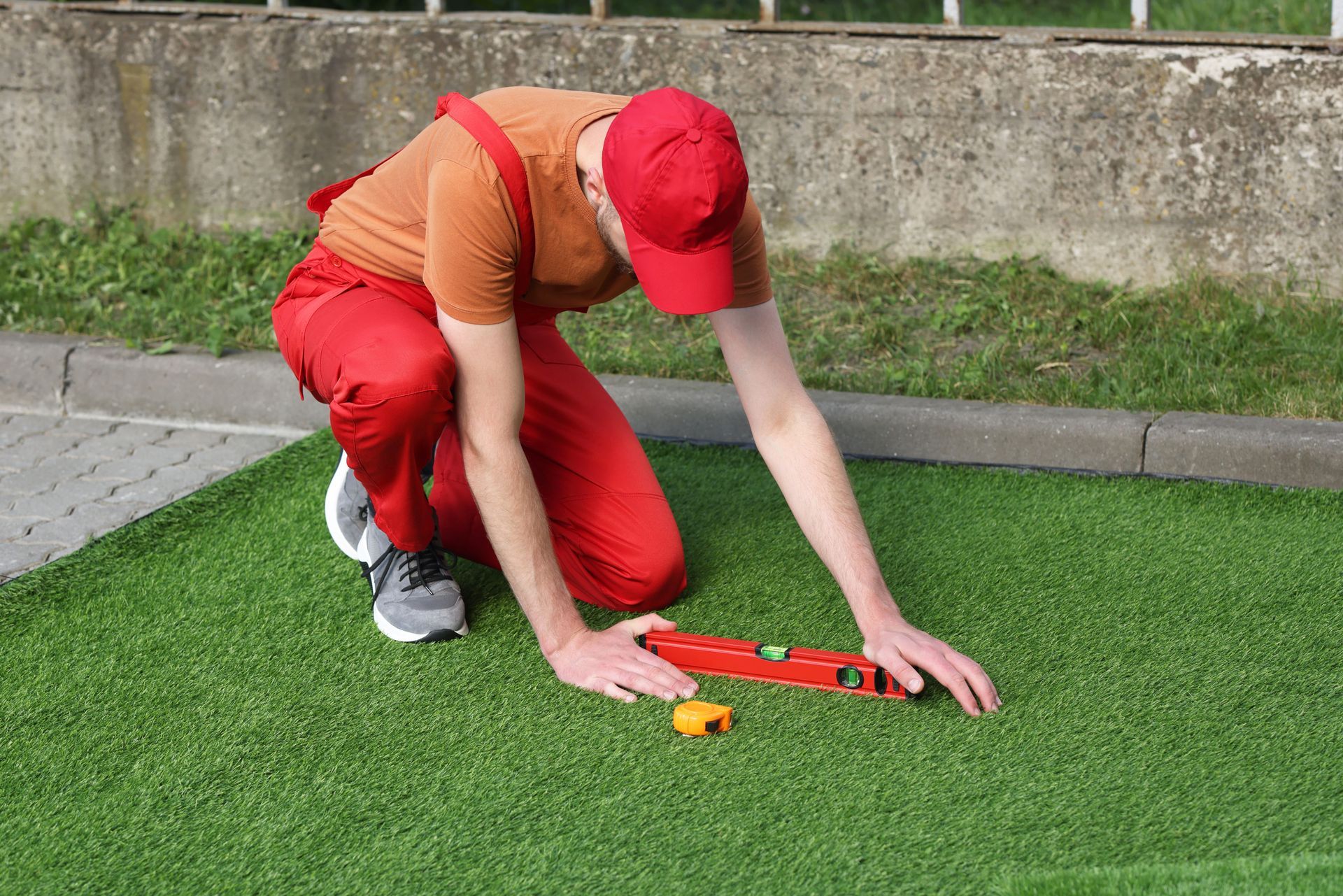
A true commercial grade artificial turf utilizes a thick polyurethane backing that remains pliable even in deep freezes. Polyurethane flexes with the natural expansion and contraction of the ground without splitting or cracking. When you pay for a premium installation, you are primarily paying for this hidden structural elasticity that keeps the entire system intact through severe weather.
► Relying on a thin latex backing in freezing climates guarantees your synthetic lawn will tear and buckle within a few years.
Realistic Timelines for Surface Recovery
Homeowners often expect their synthetic grass to pop back up perfectly the exact moment the snow melts. In reality, a yard that has been crushed under three feet of snow for months will look flat and matted in early spring. The plastic fibers need time in the direct sunlight to warm up and regain their natural memory. You cannot force frozen or cold grass to stand up straight right away.
You can significantly improve your results by actively brushing the lawn once the ground is completely thawed and dry. Using a power broom gently lifts the fibers and redistributes the infill material that settled during the winter. Expecting instant perfection in March is unrealistic, but a proper spring brushing quickly restores the original lush appearance of your hardscaping investment.
→ A quick tip to remember: Never try to manually chip ice off your synthetic grass because sharp tools will slice right through the backing material.
Frequently Asked Questions
Will snow and ice ruin my artificial grass?
Snow and ice will not ruin a properly manufactured synthetic lawn. The real danger comes from mechanical damage caused by people walking on the frozen blades or using metal shovels to clear the surface. If you allow the snow to melt naturally and ensure your sub-base has proper drainage, the grass will survive the freeze without any permanent structural issues.
Why is the backing on synthetic turf important?
The backing holds every single blade in place and provides the dimensional stability for the entire lawn. If the backing is weak, the tufts of grass will easily pull out when brushed or walked on. A heavy duty backing also dictates how well the surface drains melting snow, preventing water from pooling and forming dangerous ice sheets across your property.
How long does cheap artificial grass actually last?
Discount turf usually begins to fail within three to five years when exposed to harsh winter conditions. The ultraviolet light in summer degrades the cheap plastics while the winter ice cracks the thin latex backing. Investing in a premium product extends that lifespan well past fifteen years, making it a far better long term financial decision for your property.
Prepare Your Landscape for the Freeze
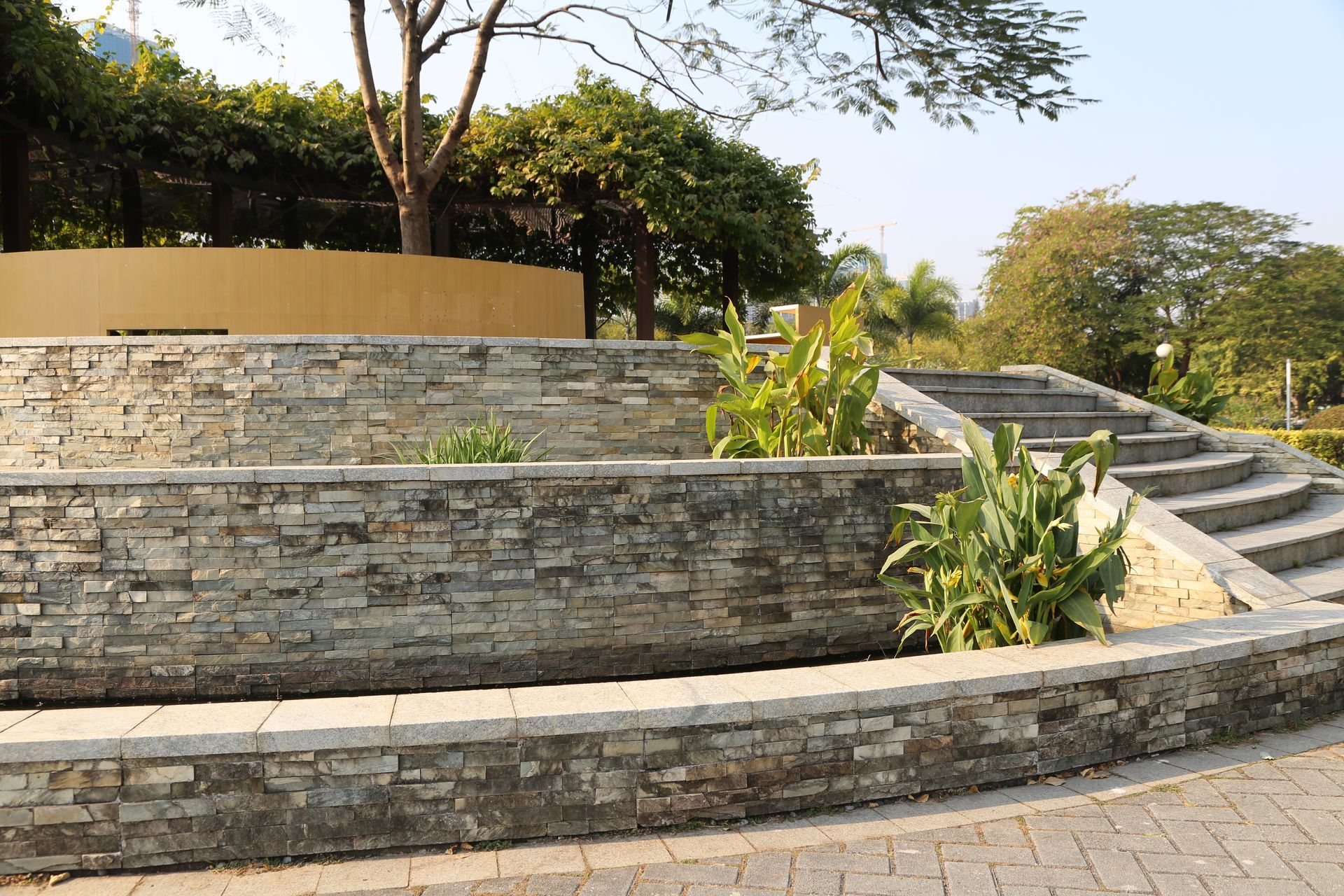
Making the right material choices now prevents costly tear outs and replacements down the road. A heavy duty synthetic lawn pairs perfectly with durable walkways and strong retaining walls to create an indestructible yard. Reach out to our crew to discuss exactly which products will survive the cold and keep your property looking great all year.
Share This Blog