Artificial Turf Installation vs. Natural Grass: What Homeowners Need to Know
JD Interlocking Inc • January 4, 2025
Artificial Turf Installation vs. Natural Grass: What Homeowners Need to Know
Artificial Turf Installation vs. Natural Grass: What Homeowners Need to Know
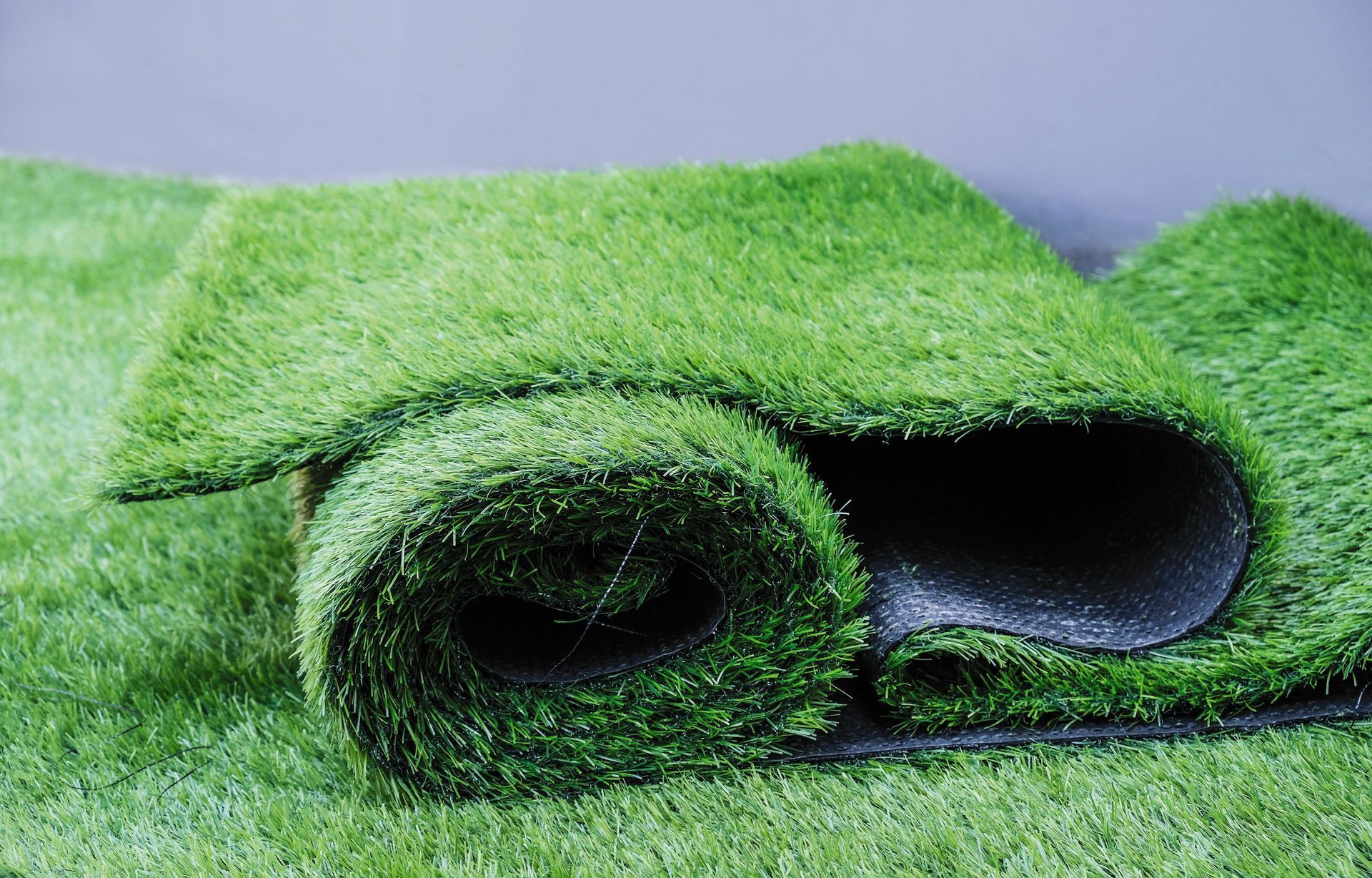
When it comes to crafting a beautiful, low-maintenance outdoor space, homeowners are increasingly torn between artificial turf installation and natural grass. The choice you make can have significant implications for the aesthetics, maintenance, and environmental impact of your lawn. In this blog, we will delve into the world of artificial turf installation and natural grass, helping you make an informed decision that suits your needs and lifestyle.
Understanding Artificial Turf Installation
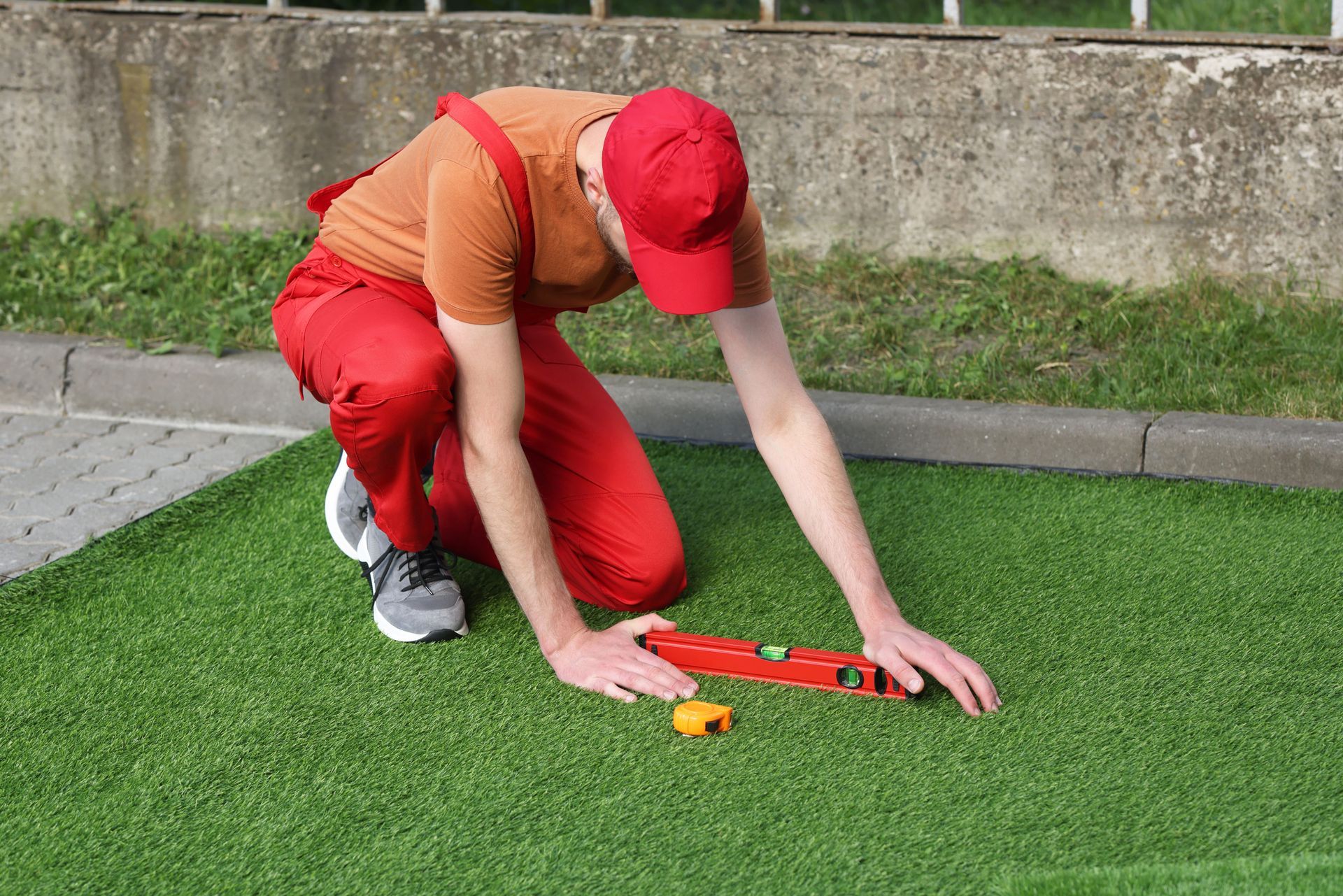
Artificial turf installation has become a popular choice for homeowners seeking a low-maintenance alternative to natural grass. This preference stems from several notable benefits:
1. Low Maintenance
Artificial turf requires minimal upkeep compared to natural grass. Once installed, it eliminates the need for mowing, watering, and fertilizing. This makes it an ideal solution for busy homeowners who still want a lush, green lawn.
2. Durability
Modern synthetic grass is designed to withstand heavy foot traffic, making it suitable for both residential and commercial properties. Its durability ensures it remains lush and intact even in high-use areas.
3. Environmental Benefits
By opting for artificial turf, you can significantly reduce your water consumption, leading to lower utility bills and a positive environmental impact. Additionally, synthetic grass requires no pesticides or fertilizers, which can be harmful to the environment.
The Natural Grass Appeal
Despite the many advantages of artificial turf, natural grass continues to hold a special place in the hearts of many homeowners. Here are some reasons why:
1. Authentic Aesthetics
Natural grass offers an authentic, organic look and feel that is hard to replicate. For many, the natural beauty and softness underfoot are irreplaceable.
2. Environmental Benefits
While artificial turf reduces water usage, natural grass contributes to the environment by absorbing carbon dioxide and producing oxygen. It also supports local ecosystems by providing habitats for insects and small animals.
3. Cooling Effect
Natural grass has a cooling effect on its surroundings, which can make your outdoor areas more comfortable during hot weather. This is particularly beneficial in regions with high temperatures.
Maintenance Comparison
One of the critical factors to consider when choosing between artificial turf and natural grass is maintenance. Here's a breakdown:
Artificial Turf Maintenance:
Regular cleaning with a leaf blower, broom, or hose
Periodic replenishment of infill material
Brushing to maintain the turf’s appearance
Checking and rectifying infill displacement after rainfall
Natural Grass Maintenance:
Regular mowing to maintain an even height
Watering, especially during dry spells
Fertilizing to promote healthy growth
Weed and pest control
Cost Considerations
Cost is an essential aspect to evaluate. While artificial turf installation can have a higher upfront cost due to the price of synthetic grass and the labor involved, it often proves cost-effective in the long run due to reduced maintenance expenses. In contrast, natural grass may have a lower initial cost but requires ongoing investments in water, fertilizers, and lawn care services.
Environmental Impact
Both artificial turf and natural grass have distinct environmental implications. Artificial turf reduces water consumption and eliminates the need for chemical treatments, making it an environmentally friendly option in some respects. However, it’s worth noting that synthetic grass is made from plastics and other materials that can have an environmental footprint.
Natural grass, while requiring more water and chemical treatments, offers ecological benefits such as carbon dioxide absorption and oxygen production. It also plays a role in supporting biodiversity.
Making Your Decision
Choosing between artificial turf installation and natural grass ultimately depends on your priorities and lifestyle. If you seek a low-maintenance, durable, and water-efficient solution, artificial turf may be the right choice for you. However, if you value the authentic aesthetics, cooling effect, and ecological benefits of a natural lawn, then natural grass remains the best option.
Both options have their own set of advantages and challenges. It's essential to weigh these factors against your personal preferences, budget, and environmental considerations.
Ready to Transform Your Lawn?
Whether you’re leaning towards artificial turf installation or natural grass, JD Interlocking Inc. is here to help. Our team of experts can guide you through the decision-making process and ensure your outdoor space is both beautiful and functional. Contact us today for a consultation and take the first step towards your dream lawn.
Share This Blog