Clearing Debris and Sealing Natural Stone Patios Before Snowfall
JD Interlocking Inc • October 20, 2026
Autumn brings beautiful foliage to neighborhoods like River Bend, but those falling leaves spell trouble for expensive outdoor hardscaping. JD Interlocking Inc. sees the damage firsthand when homeowners leave wet organic debris sitting on their stone surfaces until spring. Leaving heavy layers of wet leaves and trapped moisture on unprotected pavers guarantees stubborn stains and surface flaking once the deep freeze hits.
Protecting your investment requires clearing the surface completely and sealing natural stone patios before the snow arrives. Taking the time to properly prep and protect the stone now ensures it survives the winter weather and looks perfect when the snow finally melts. We have outlined the exact steps required to clean your space and lock out moisture before the temperature drops too low for proper maintenance.
In This Article:
- Essential Autumn Clearing Habits
- The Biggest Mistakes When Prepping Stone
- Applying Protection Before the Freeze
- Signs Your Patio Needs Professional Attention
- What happens if you do not seal a natural stone patio?
Essential Autumn Clearing Habits
Routine surface cleaning is your first line of defense against permanent winter damage. Organic matter acts like a sponge, holding acidic moisture directly against the porous surface of your stone for months at a time.
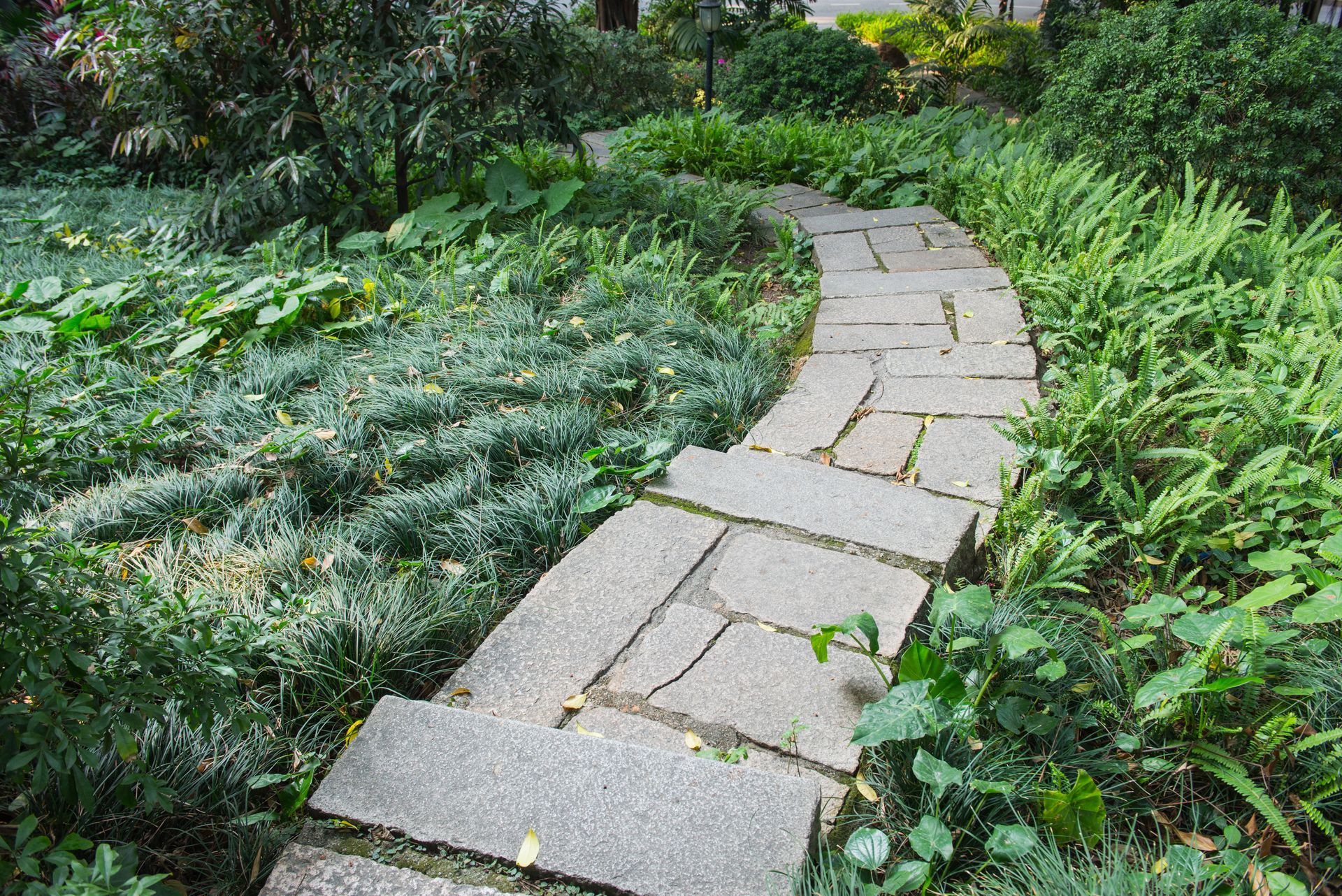
- Leaf Removal: Sweep the surface entirely clean of leaves and pine needles every week during the heavy fall drop to prevent tannin stains from bleeding into the stone.
- Surface Washing: Use a stiff bristle push broom and a mild detergent to scrub away any remaining dirt or organic residue left behind by wet foliage.
- Joint Inspection: Check the gaps between the stones to ensure the jointing sand is intact and not washing out from heavy autumn rains.
→ A quick tip to remember: Always scrub natural stone in the direction of the grain to lift trapped dirt without scratching the surface.
The Biggest Mistakes When Prepping Stone
Homeowners often rush the sealing process to beat the incoming snow, which usually causes more harm than good. Making errors during the preparation phase will lock dirt and water inside the stone permanently.
- Trapping Moisture: Applying a protective coating over a stone that is even slightly damp will trap the moisture inside and create a cloudy, white haze across your entire yard.
- Using Incorrect Cleaners: Washing the area with harsh acidic cleaners will etch the surface of natural stone and destroy its natural protective crust.
- Ignoring the Joints: Failing to top up the jointing sand before sealing allows water to bypass the protected surface and freeze directly beneath the base.
► The most critical maintenance fact is that you must allow the stone to dry completely for at least forty eight hours in direct sunlight before applying any chemical sealer.
This attention to doing the job correctly and educating our clients is a pattern the team at JD Interlocking Inc. hears regularly.
► Client Experience: I had my patio installed by JD Interlocking last summer, and after the stones shifted over the winter, they came back this summer and fixed everything under their warranty without any hassle. Really appreciate their professionalism and commitment to standing behind their work. Definitely recommend them if you want a team that cares about getting the job right.
Properly maintaining the surface prevents excess water from reaching the base, ensuring your installation remains completely stable.
Applying Protection Before the Freeze
Once the surface is completely clean and bone dry, applying the protective barrier is the final step in winterizing your yard. This coating prevents ice from grabbing hold of the porous stone.
- Selecting the Right Sealer: Choose a breathable, penetrating sealer designed specifically for natural stone rather than a cheap topical gloss that will peel away in the cold.
- Application Timing: Apply the coating during the middle of the day when the stone is warm to ensure maximum absorption into the pores.
- Curing Periods: Keep all foot traffic and patio furniture off the freshly coated surface for a minimum of twenty four hours.
What happens if you do not seal a natural stone patio?
Leaving natural stone unsealed allows water to soak deep into the porous material during autumn rainstorms. When that trapped water eventually freezes in November, it expands violently and causes the face of the stone to spall, flake, and crack apart. Additionally, unsealed stone readily absorbs the dark, acidic tannins from decaying leaves, leaving you with permanent brown and black stains that no amount of scrubbing will remove.
Signs Your Patio Needs Professional Attention
Sometimes routine clearing and coating is not enough to save a yard that is already structurally failing. Recognizing when to call a professional prevents minor surface issues from turning into massive winter blowouts.
- Deep Spalling: If the faces of your stones are already flaking off in large chunks, the material is compromised and needs replacement.
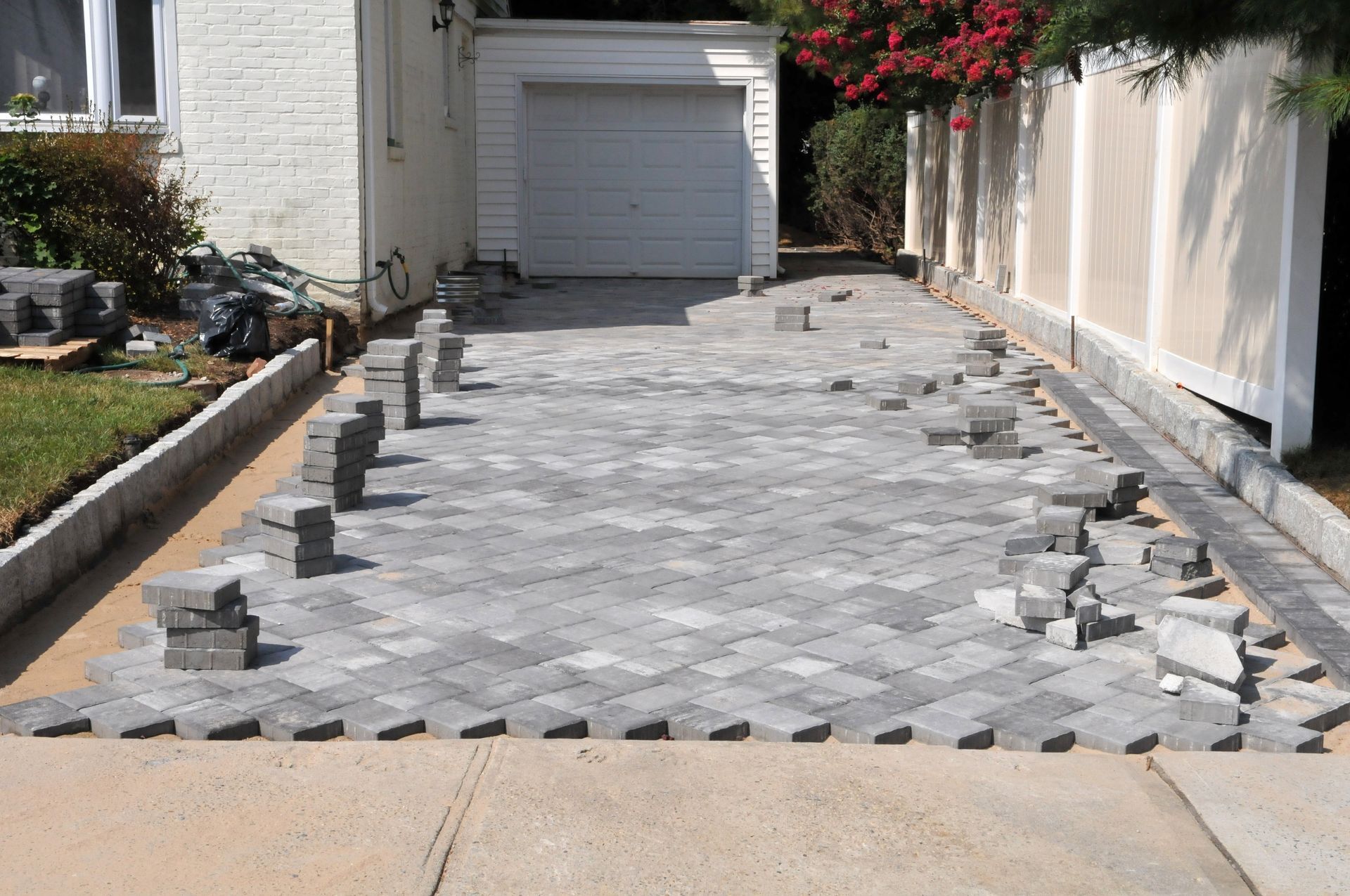
- Sinking Sections: Areas that hold deep puddles indicate a failing gravel base that requires full excavation and our professional interlocking services.
- Crumbling Borders: Edge restraints or perimeter brickwork that is falling outward must be rebuilt to stop the entire patio from shifting under the weight of heavy snow.
→ From a professional standpoint: Attempting to seal a patio that is already sinking will not stop the foundation from collapsing further during the spring thaw.
Secure Your Hardscaping Before Winter
Taking care of your outdoor surfaces now is the only way to guarantee they survive the harsh freezing temperatures ahead. Do not wait until the frost is already in the ground to start thinking about property protection. Reach out to our crew to assess your stone surfaces and schedule any necessary structural repairs before the snow flies.
Share This Blog