Why Interlocking Stone Walkways Crack and Shift After Winter—and What to Do About It
JD Interlocking Inc • November 10, 2026
Many property owners are surprised to find their interlocking stone walkways cracked, uneven, or misaligned once the snow melts. At JD Interlocking Inc., we routinely inspect paths throughout the region to determine the reasons behind winter damage. While Ontario’s harsh temperatures are partly to blame, chemical de-icers, improper snow removal, and freeze-thaw cycles are often the real culprits causing your interlocking to crack and shift.
Understanding why your walkway cracks or shifts during winter is the first step toward protecting your investment—and knowing what to do about it helps you enjoy a safe and beautiful path all year long.
What you will find below:
- How chemical de-icers affect interlocking stone
- The mechanical stress of freeze and thaw cycles
- Snow removal techniques that prevent damage
- Safe alternatives for managing slippery walkways
- Frequently asked questions about interlocking winter care
The Hidden Impact of Chemical De-Icers on Interlocking Stone
Why do interlocking stone walkways crack and shift in winter? A major cause is the use of traditional rock salt and aggressive chemical ice melters. Interlocking stones are porous, and their joints are filled with sand. When rock salt or harsh chemicals are spread on ice, they allow salty water to seep into the joints and under the stones.
This salty liquid penetrates beneath the surface, and when temperatures drop again, it freezes and expands—causing pavers to heave, separate, or even crack at the edges. Over time, the chemicals also weaken the surface and can discolor your walkways, making a new install look old after just one harsh winter.
Mechanical Stress: Freeze-Thaw and Poor Sub-base
The relentless freeze-thaw cycles of Ontario winters can wreak havoc on your interlocking walkway—even if you avoid excess chemicals. Water from melting snow and rain works its way between pavers and into base layers. When that moisture freezes, it expands and lifts stones out of place, or causes areas to sink as the base loses compaction.
If your walkway already has minor dips, shifting, or hollow joints, expect those flaws to be much worse by spring. Water makes its way into weak spots, freezes overnight, then melts, re-settles, and repeats the process all season long.
Snow Removal Tools and Techniques
Your choice of snow clearing equipment also plays a crucial role in walkway longevity. Metal shovels and snow plow blades with sharp or uneven edges catch on joints and edges, chipping stones and dislodging joint sand. Once that sand is missing, more water gets in and movement increases.
Use a sturdy plastic snow shovel or a shovel with a rubber edge for clearing snow from interlock safely. Don’t scrape down to the stone—leave a thin layer, or use traction sand for grip instead.
Safe Alternatives for Managing Winter Walkways
Protect your interlocking stone with better winter maintenance:
- De-icing and traction: Choose calcium magnesium acetate or interlock-safe ice melts, and avoid traditional salt.
- Traction sand: Use coarse sand to provide instant grip on icy spots without damaging the stone or joints.
- Gentle snow removal: Always use a plastic or rubber-edged shovel; for larger drives, raise your snow blower or plow shoes to avoid scraping the stones.
Frequently Asked Questions
Can cracked or shifted interlocking pavers be repaired?
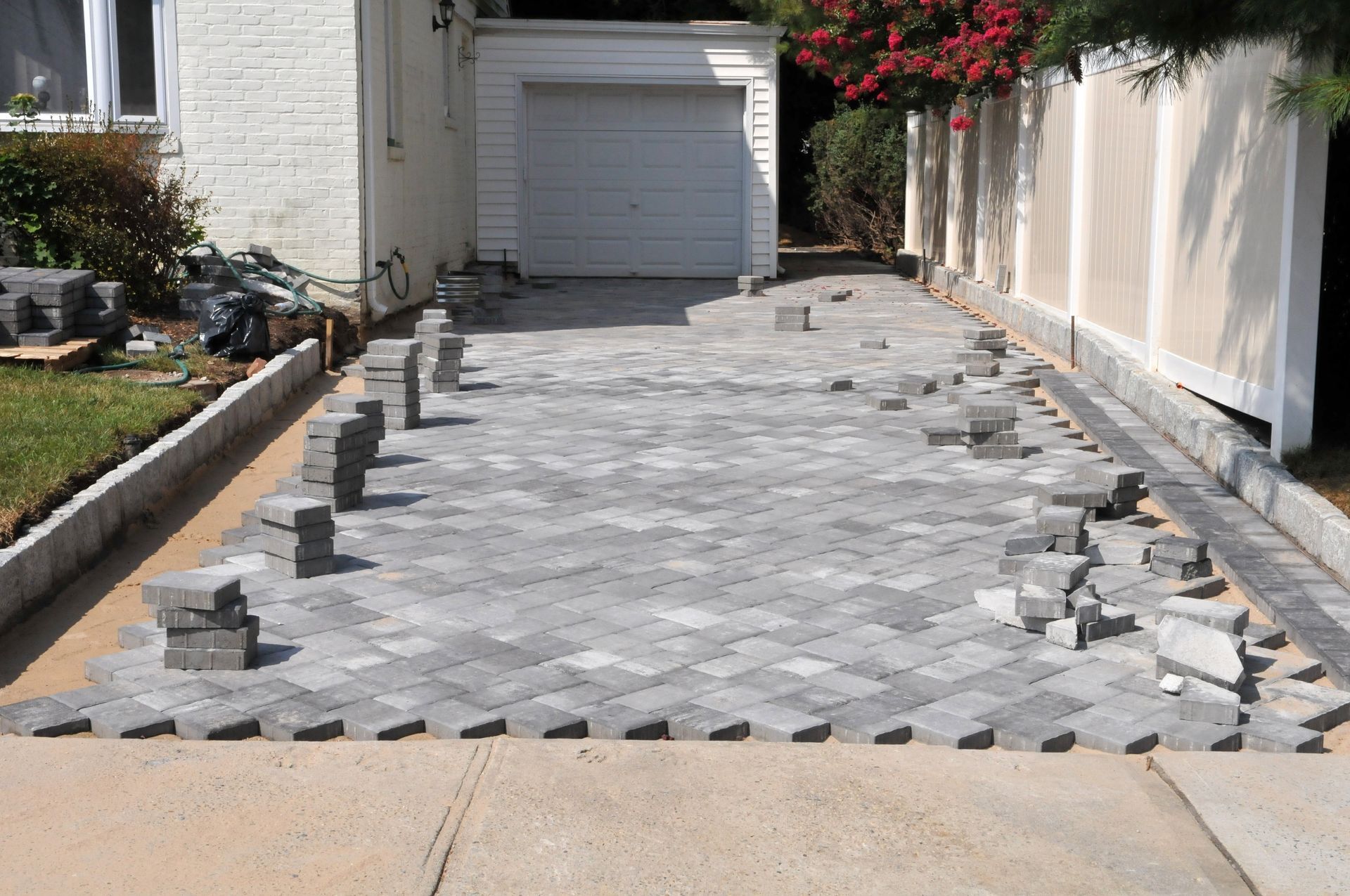
Yes! One advantage of interlocking stone is that individual pavers or full sections can be lifted and reset after the base is re-compacted, restoring a smooth, even walkway.
Should I seal my walkway to prevent winter damage?
Sealing can provide a protective barrier against moisture and stains, but it must be done in warm, dry weather. Focus first on strong base preparation and sand-filled joints.
What if my walkway is already uneven after winter?
Book a professional lift & relay in spring or fall. We will remove, repair, and reset your pavers to ensure a level and durable path.
Protecting Your Interlocking Walkway Long-Term
A beautiful, long-lasting interlocking stone walkway depends on proper maintenance—especially through Ontario’s winters. Avoid harsh chemicals, use the right snow tools, and address drainage issues. If you notice shifting, cracks, or sinking, contact JD Interlocking Inc for a professional lift & relay, and keep your walkways safe and looking great year after year.
Share This Blog