Sustainable Patios in Melbourne: Eco-Friendly Design Ideas for Garden Spaces
JD Interlocking Inc • April 4, 2025
Sustainable Patios in Melbourne: Eco-Friendly Design Ideas for Garden Spaces
Sustainable Patios in Melbourne: Eco-Friendly Design Ideas for Garden Spaces
In an era where sustainability is more than just a buzzword, homeowners in Melbourne, Ontario, are increasingly looking for ways to integrate eco-friendly principles into their living spaces. One area that sees significant attention is the design and construction of sustainable patios. By incorporating environmentally responsible practices, you can create a beautiful, functional outdoor area that aligns with your values and benefits the planet. This blog will explore various eco-friendly design ideas for patios that are as stylish as they are sustainable.
Choosing Eco-Friendly Materials
The first step in creating a sustainable patio is selecting the right materials. Opt for products that have a minimal environmental impact, such as recycled or locally sourced materials.
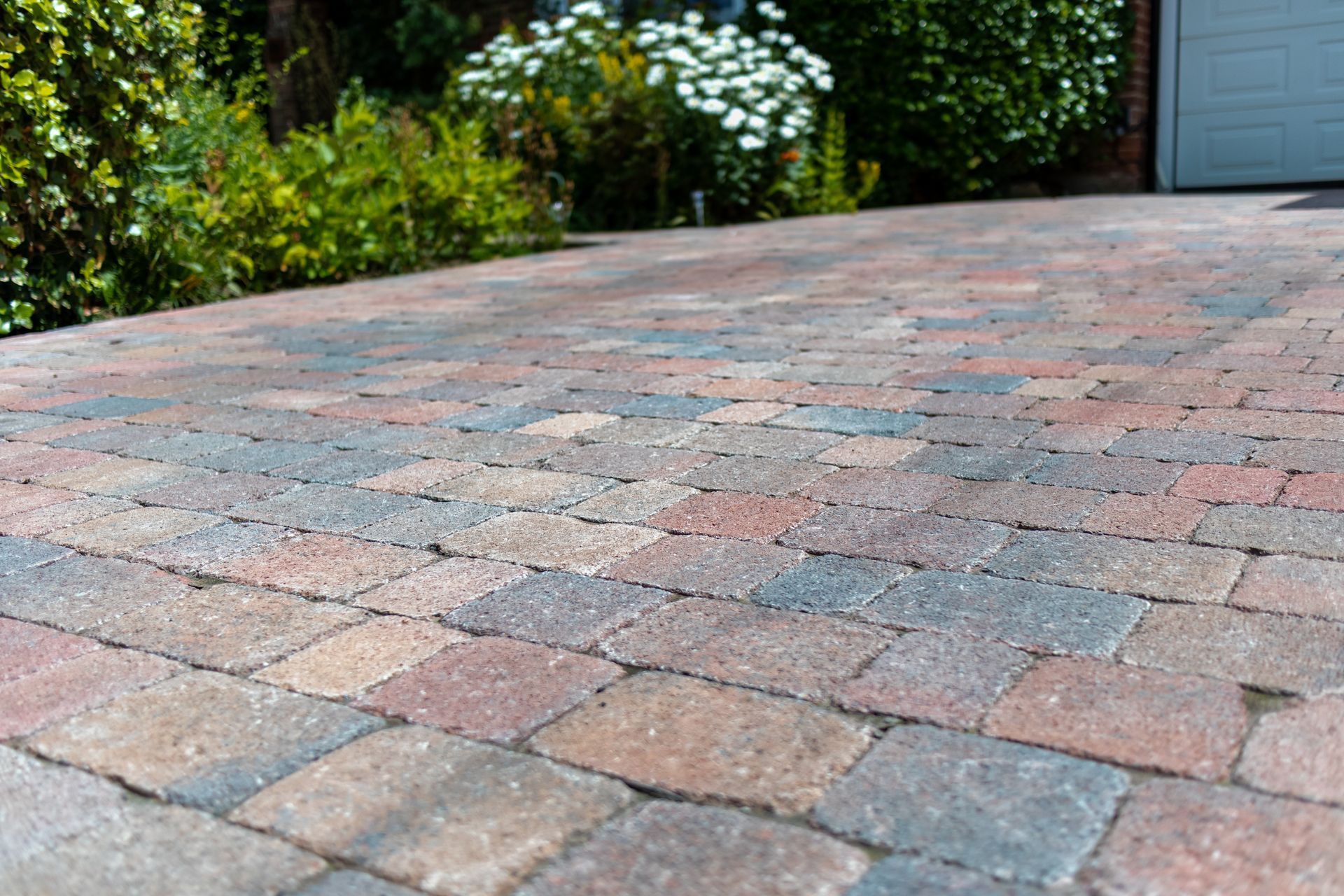
Recycled Pavers: One excellent option for an eco-friendly patio is the use of recycled pavers. These are made from repurposed materials, reducing waste and conserving natural resources. They are also durable and come in a variety of styles to suit any garden space.
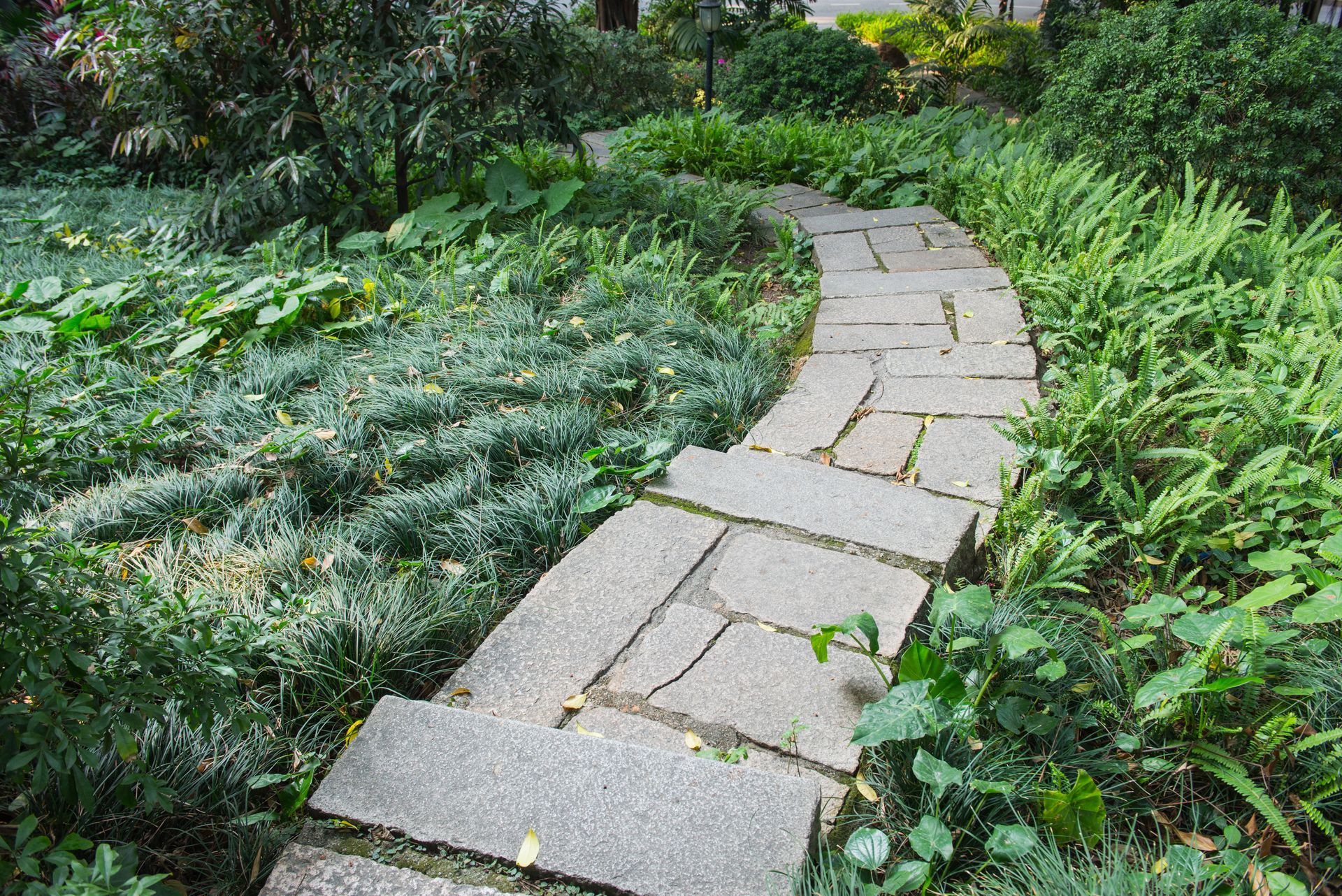
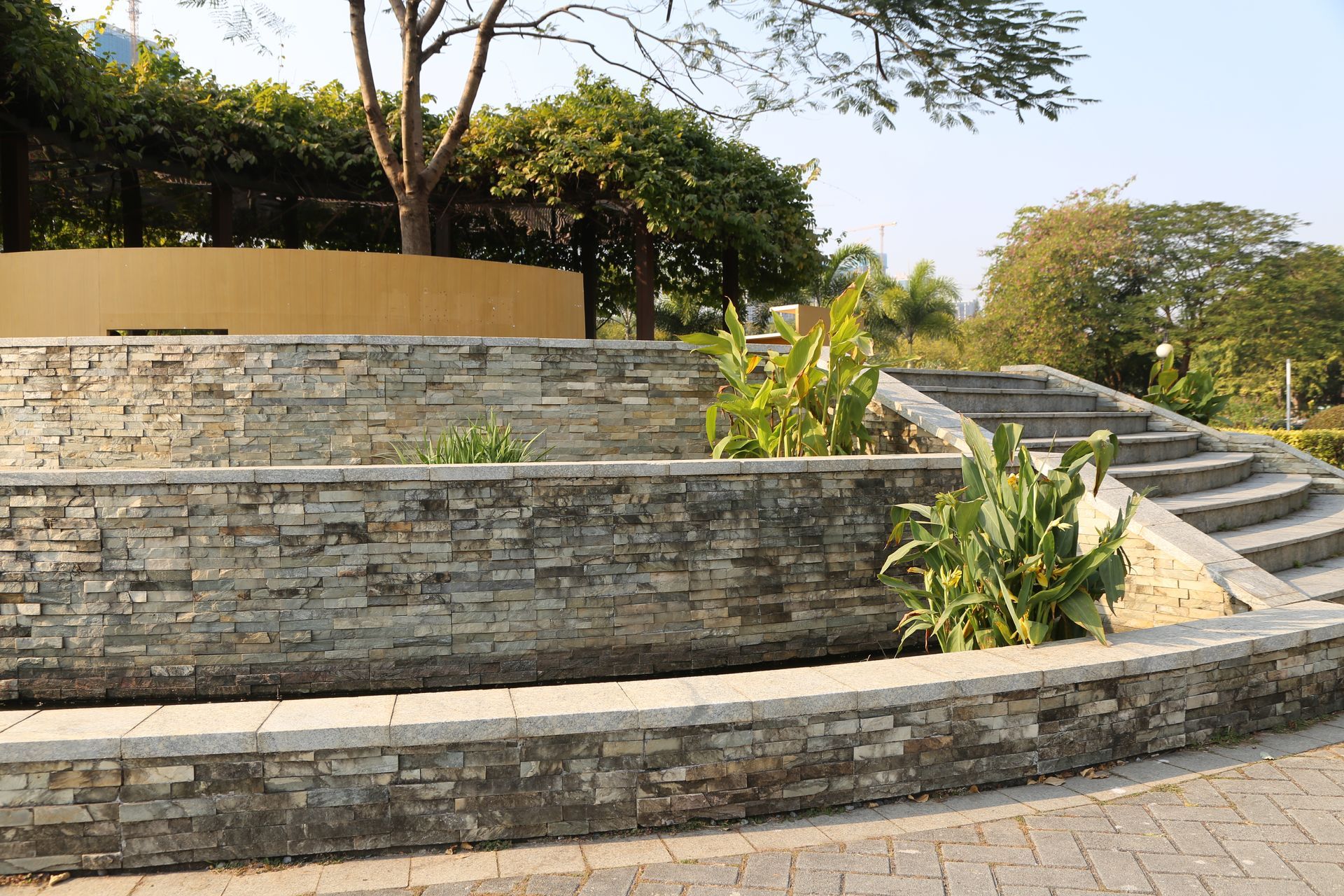
Natural Stone: Another sustainable choice is natural stone, such as granite or limestone. These materials are incredibly durable and require less processing and transportation energy when sourced locally.
Sustainable Wood: For those who prefer the look of wooden patios, sustainably harvested or reclaimed wood can be an excellent choice. It provides a warm, natural aesthetic while minimizing environmental impact.
Smart Design for Energy Efficiency
The design of your patio can significantly influence its environmental footprint. Implementing energy-efficient design principles can make your patio more sustainable.
Orientation: Position your patio to maximize natural light and airflow, reducing the need for artificial lighting and ventilation. This is particularly important in Melbourne, where the climate can vary significantly throughout the year.
Green Roofing: Consider incorporating green roofing elements, such as living walls or roof gardens. These features can reduce heat absorption, provide natural insulation, and even support local biodiversity.
Shade Structures: Incorporate shade structures, like pergolas or awnings, made from sustainable materials. These not only protect you from harsh sunlight but also reduce the need for energy-intensive air conditioning inside your home.
Water Management
Effective water management is crucial for sustainable patio design. Melbourne homeowners can adopt several strategies to conserve water and prevent runoff.
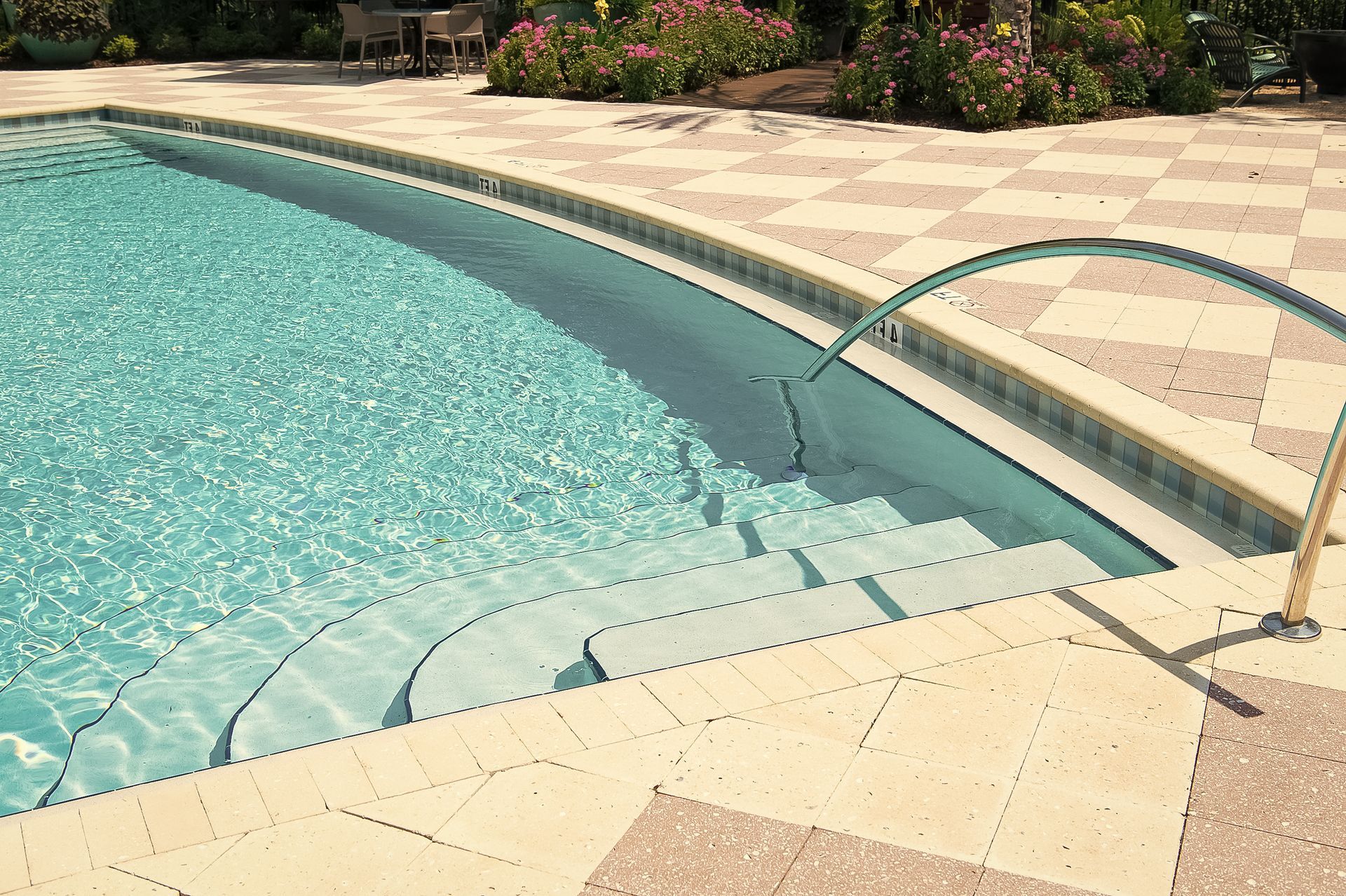
Permeable Pavers: Use permeable pavers for your walkways and patios. These allow rainwater to filter through the surface and return to the groundwater, reducing runoff and helping to recharge local aquifers.
Rain Gardens: Incorporate rain gardens around your patio to capture and filter rainwater. These gardens are both functional and aesthetically pleasing, offering a habitat for local plants and wildlife.
Efficient Irrigation: Utilize efficient irrigation systems like drip irrigation or soaker hoses to minimize water waste. These systems deliver water directly to the roots of plants, reducing evaporation and runoff.
Plant Choices
Selecting the right plants can enhance the sustainability of your patio area.
Native Plants: Opt for native plants that are well-adapted to Melbourne's climate. These plants require less water and maintenance, and they support local ecosystems.
Drought-Resistant Species: In addition to native plants, consider drought-resistant species that can thrive with minimal watering. Succulents, ornamental grasses, and certain types of shrubs can add texture and color to your patio without demanding too much water.
Hardscaping Elements
Integrating hardscaping elements into your patio design can improve both functionality and sustainability.
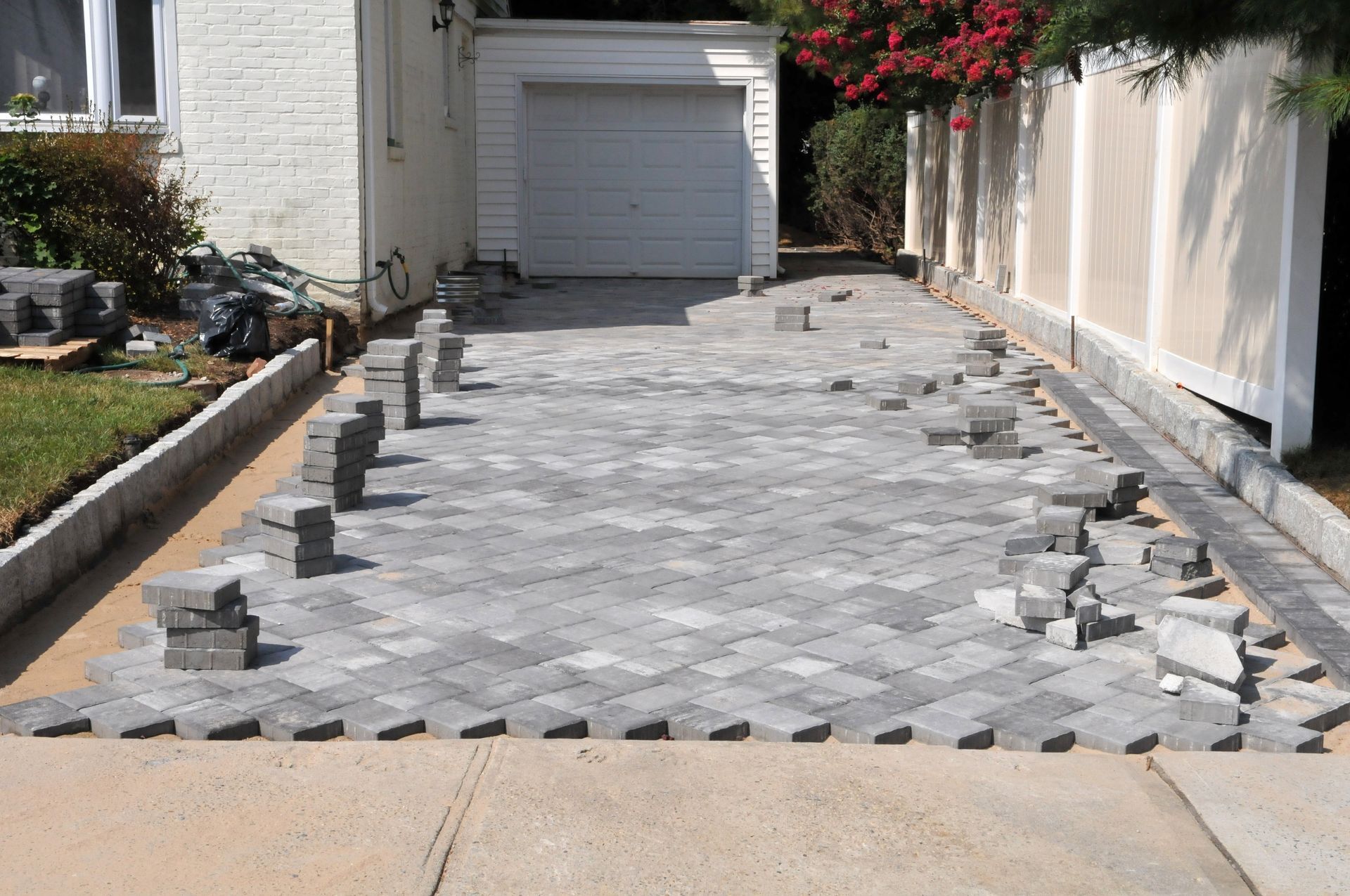
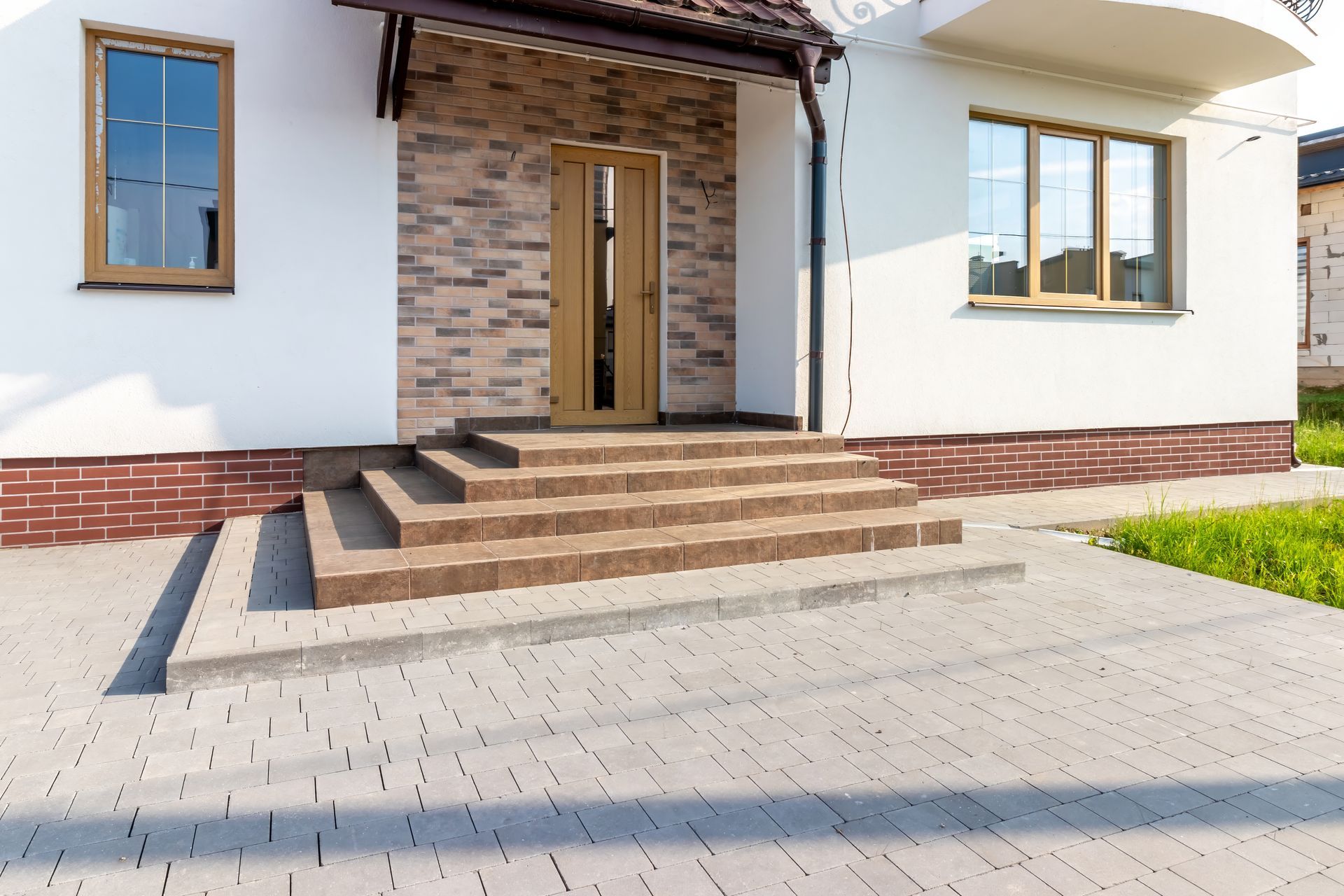
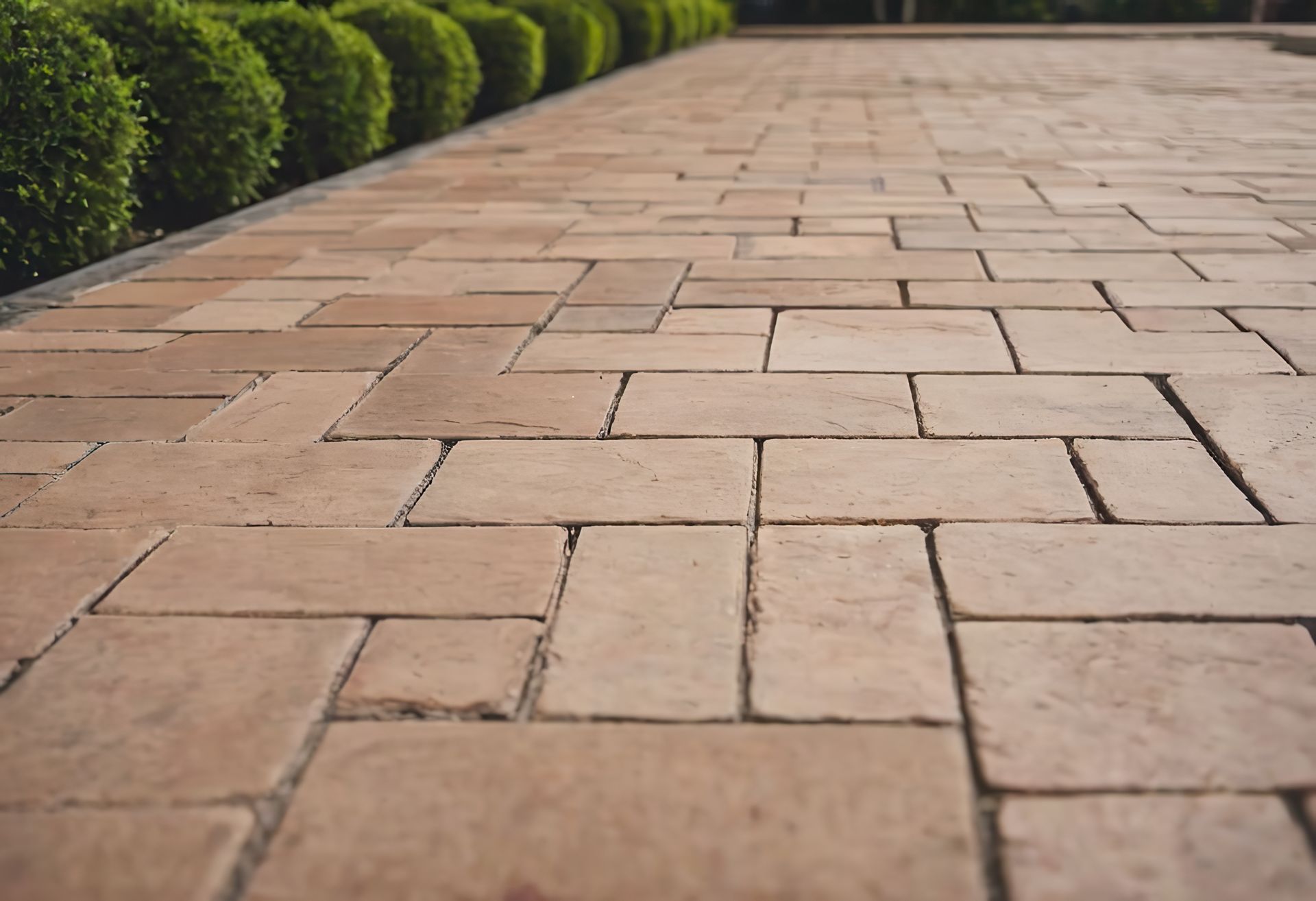
Interlocking Pavers: Interlocking pavers are not only visually appealing but also highly durable and easy to maintain. They can be laid in a pattern that allows for efficient water drainage, reducing the risk of erosion and water damage.
Bamboo Features: Bamboo is a rapidly renewable resource that can be used for a variety of hardscaping elements, such as fences, pergolas, and even furniture. Its growth rate makes it a very sustainable choice for garden spaces.
Creating a sustainable patio in Melbourne is not only possible but also highly rewarding. By choosing eco-friendly materials, designing for energy efficiency, managing water wisely, and selecting appropriate plants, you can develop a beautiful outdoor living space that is kind to the planet.
Are you ready to transform your garden into a sustainable haven? Contact JD Interlocking Inc. today for expert advice and top-quality service in driveways, patios, walkways, poolside installation, interlocking, brickwork, artificial turf installation, and hardscaping.
Share This Blog